How to Distinguish Hand-Drawn, Stamped, and Printed Batik Motifs

The ability to distinguish batik motifs based on production technique is very important, both for buyers, collectors, and batik enthusiasts. Batik collectors such as Batik Soehadi emphasize the importance of this understanding so buyers can choose cloth that matches their value and needs. Each technique, hand-drawn, stamped, and printed, has unique recognizable characteristics.
Why Distinguishing Matters
Distinguishing batik techniques matters because:
- Value: Hand-drawn batik has a much higher value than printed
- Quality: Different techniques produce different quality
- Authenticity: Distinguishing the genuine from the imitation
- Appreciation: Honoring the work and skill of artisans
Characteristics of Hand-Drawn Batik
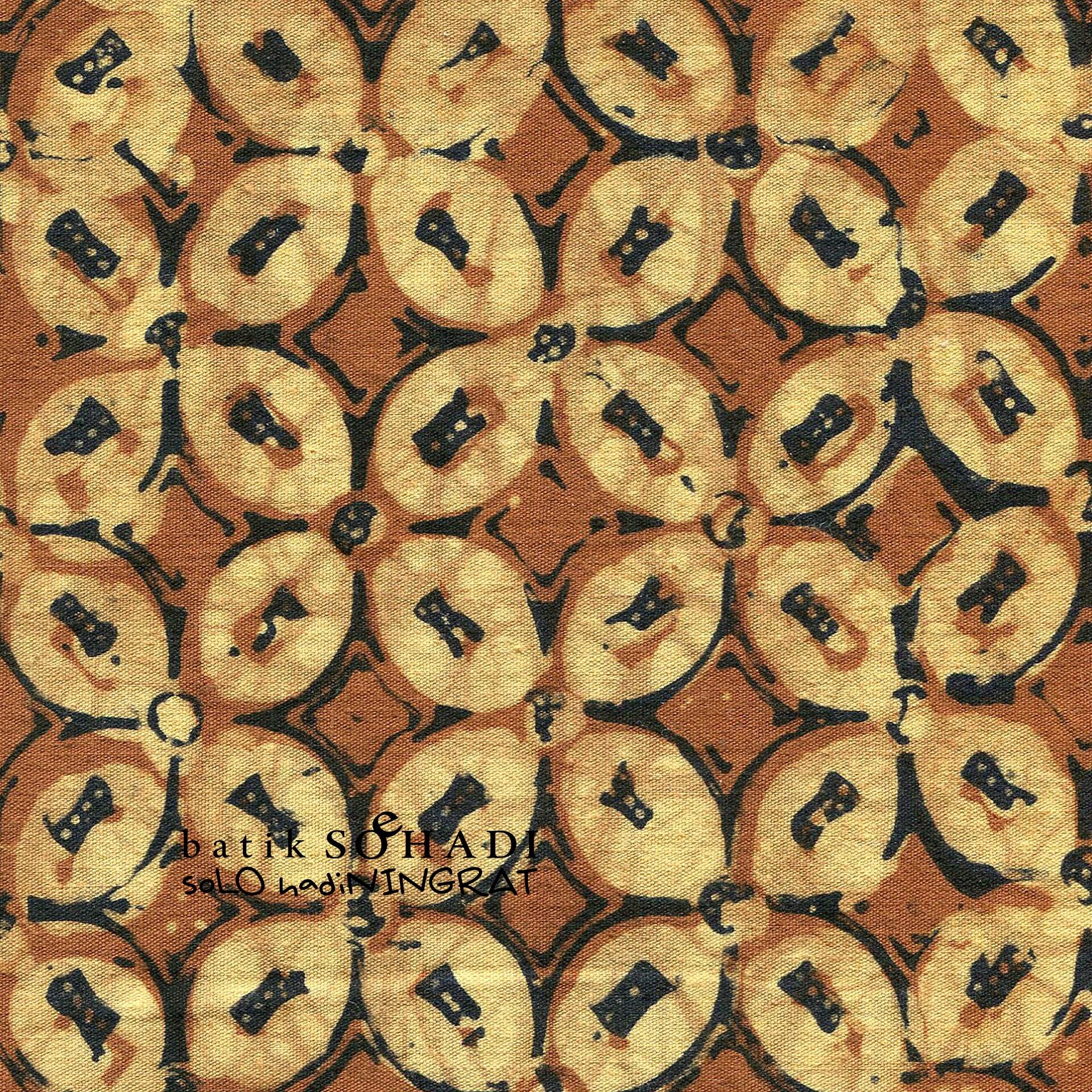
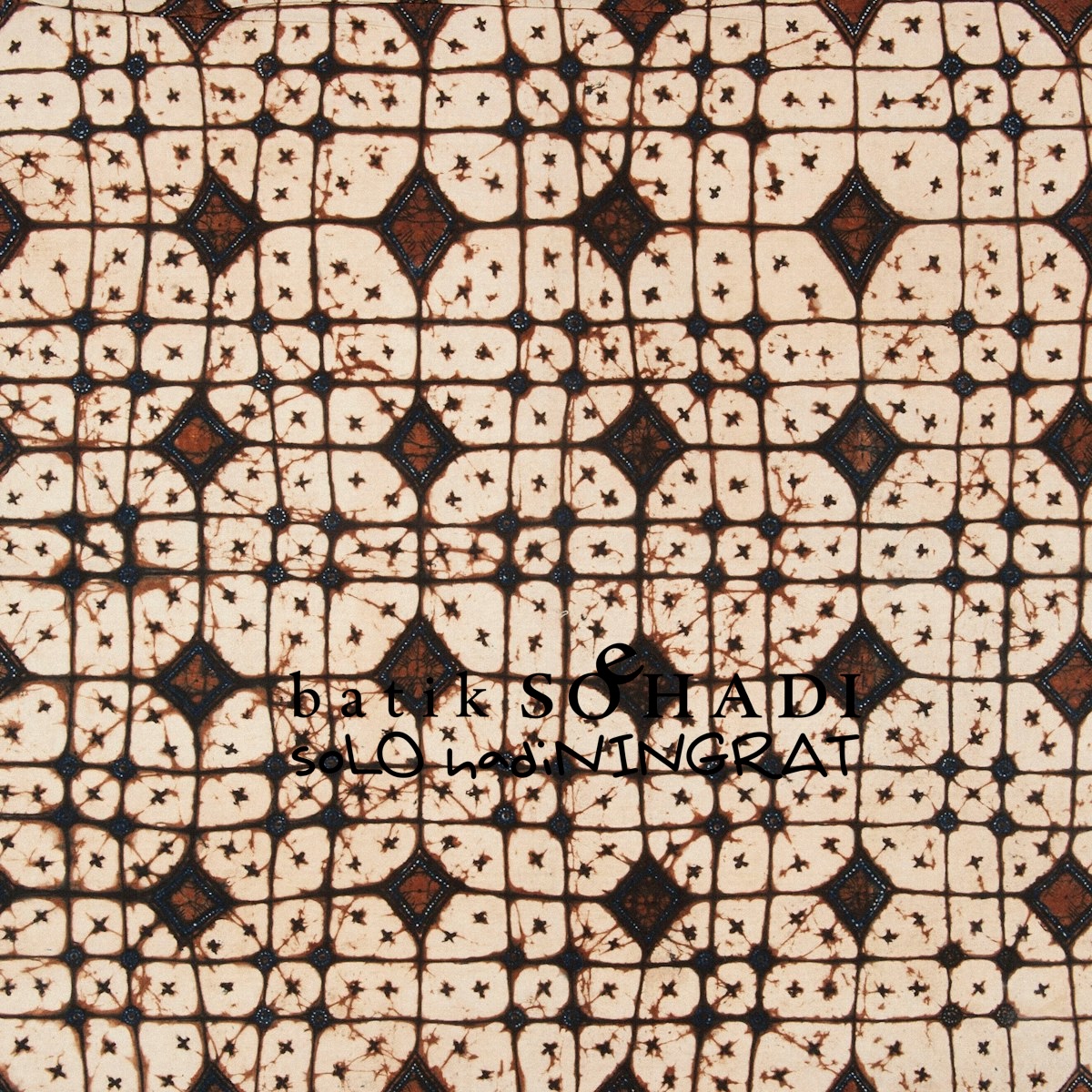
Hand-drawn batik is made entirely by hand using a canting:
- Natural imperfections: Each stroke is slightly different
- Wax depth: Hand-applied wax has varying thickness
- Fine detail: Very fine and organic details
- No two identical cloths: No two cloths are exactly the same
Characteristics of Stamped Batik
Stamped batik uses a copper stamp:
- Regularity: More regular patterns than hand-drawn
- Consistency: Consistent repeating patterns
- Uniform thickness: More uniformly applied wax
- Hand touch remains: Not as uniform as printed
Characteristics of Printed Batik
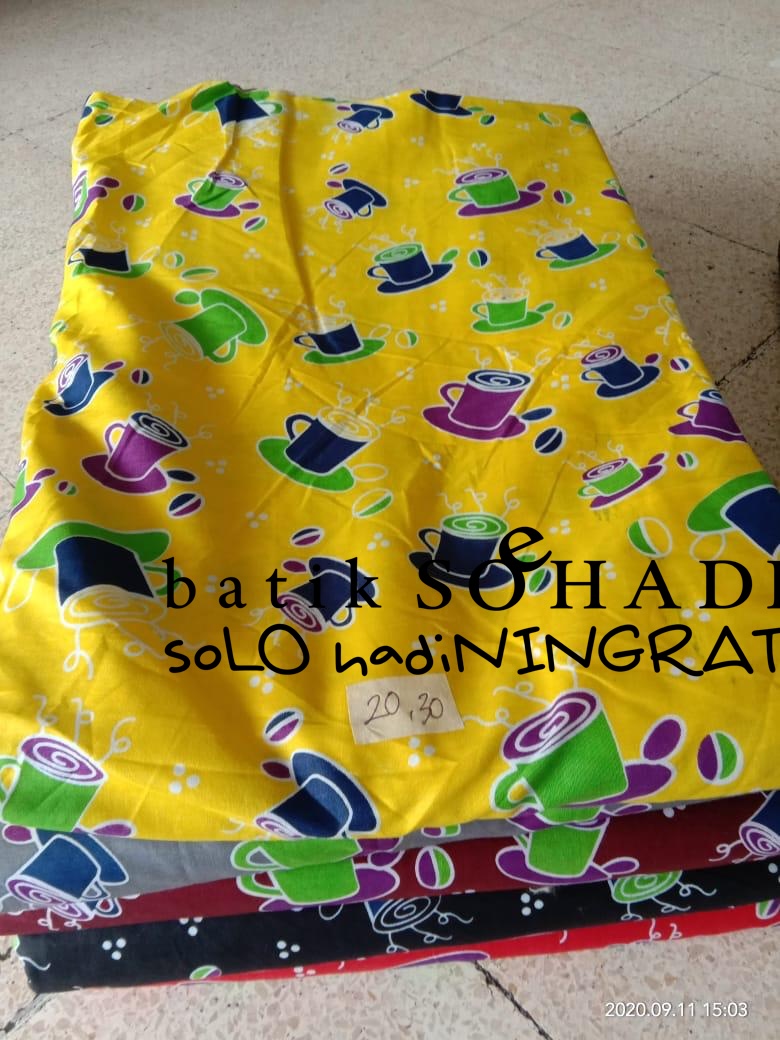
Printed batik uses machines:
- Highly uniform: Exactly identical repeating patterns
- Flat colors: Very even and consistent colors
- Highly precise detail: Very precise and sharp details
- Lower price: Lower production cost
Comparison Table
| Aspect | Hand-drawn | Stamped | Printed | |--------|------------|---------|---------| | Production | Full hand | Copper stamp | Machine | | Regularity | Irregular | Fairly regular | Highly regular | | Detail | Very fine | Fine | Precise | | Price | High | Medium | Low | | Time | Weeks-months | Days | Hours |
Identification Tips
- Examine from close up: Look at line details and wax thickness
- Feel the texture: Hand-drawn and stamped batik have different textures
- Check consistency: Too-perfect patterns are usually printed
- Look for fine details: Small organic areas indicate hand-drawn
Conclusion
Distinguishing batik techniques requires attention and practice. By understanding the characteristics of each, we can better appreciate the value and uniqueness of every batik cloth.
Seluruh artikel dan warta yang diterbitkan di portal ini disusun secara independen dan mengacu pada standar verifikasi informasi serta pedoman pemberitaan media siber.
Konten ini dilindungi undang-undang hak cipta. Pengutipan materi berita diizinkan dengan tetap mencantumkan sumber rujukan dan tautan aktif ke halaman ini.