History of Solo Batik: A Heritage Journey from Kraton to Global Recognition
Explore the rich history of Solo batik, from its royal origins in the Kraton to its recognition as a UNESCO Intangible Cultural Heritage.

The history of Solo batik is a fascinating journey through centuries of Javanese culture, royal patronage, and artistic evolution. From the sacred halls of the Kraton Kasunanan Surakarta to the global fashion stage, Solo batik has maintained its identity as one of the world's most sophisticated textile traditions.
Royal Origins in the Kraton
The story of Solo batik begins with the establishment of the Kraton Kasunanan Surakarta in 1745 by Susuhunan Pakubuwono II. Within the palace walls, royal women and court attendants practiced the art of canting as part of their daily activities. These early motifs were inspired by Javanese cosmology — flowers, birds, and spiritual symbols that reflected the worldview of the Javanese aristocracy. At this stage, batik was exclusively reserved for the royal family, carrying deep spiritual and social significance.
The Golden Age of Batik Artistry
The 19th century marked the golden age of Solo batik. Both the Kraton Surakarta and the Mangkunegaran palace became centers of innovation, developing iconic motifs such as Truntum (eternal love), Sidomukti (prosperity), and Kawung (purity). Master craftsmen achieved extraordinary levels of skill, producing textiles with incredibly fine lines that could only be created by the most experienced hands. Batik from Solo gained recognition among aristocrats and wealthy merchants throughout the archipelago.
Spread to the Common People
In the early 20th century, batik began to democratize. The introduction of the cap (stamp) technique accelerated production and made batik affordable for the middle and working classes. Villages like Kauman and Laweyan in Solo transformed into bustling production centers. Batik was no longer a symbol of royal status alone — it became an expression of Javanese identity that transcended social boundaries.
Colonial Era Influences
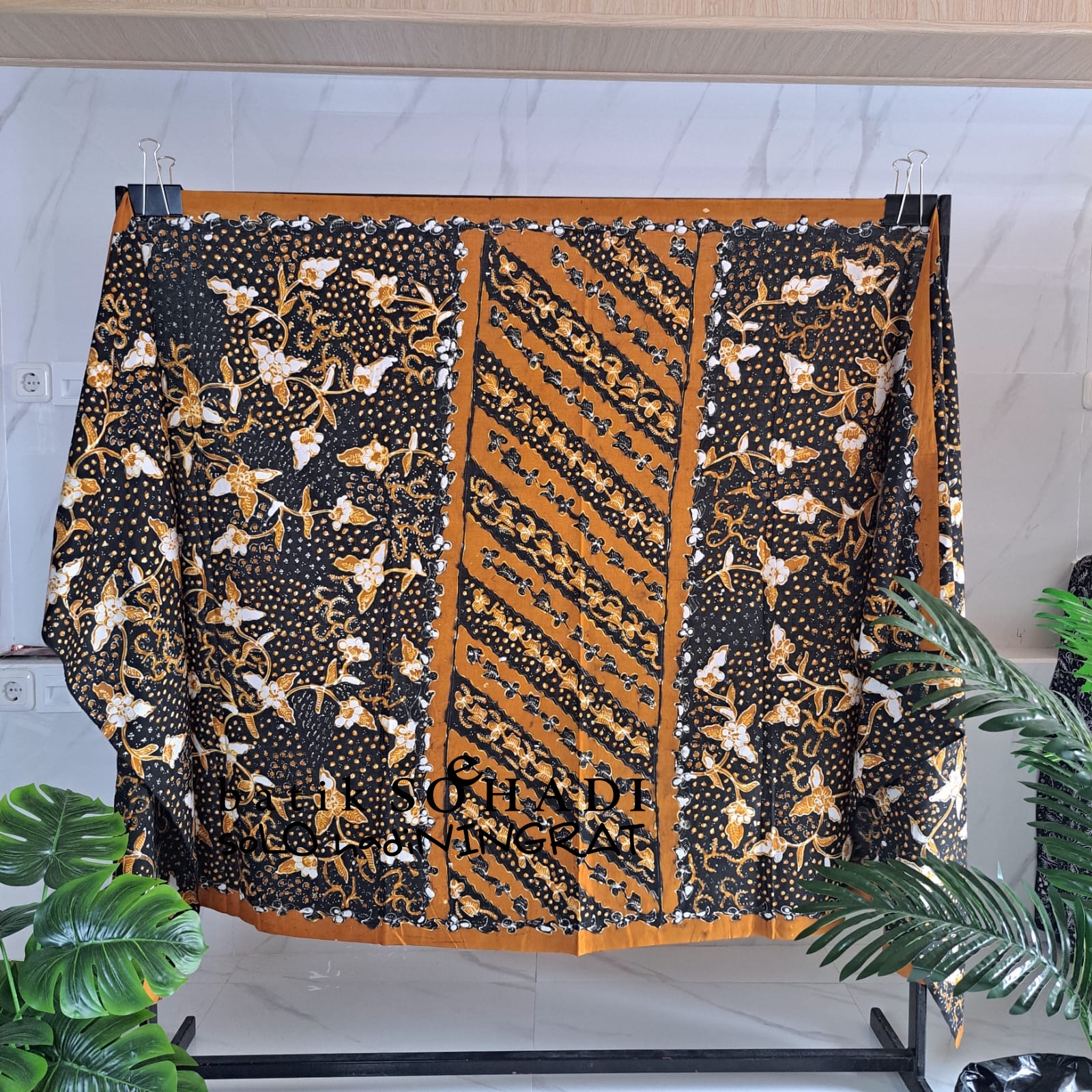
During the colonial period, Solo batik absorbed influences from Chinese, Indian, and European traders. Chinese motifs like dragons and phoenixes appeared alongside traditional Javanese patterns. European demand brought new colors and commercial opportunities. Yet Solo batik maintained its distinctive character — the warm sogan (brown) tones and geometric motifs inspired by the Kraton remained its signature elements.
UNESCO Recognition and Beyond
On October 2, 2009, UNESCO recognized Indonesian batik as a Masterpiece of the Oral and Intangible Heritage of Humanity. This milestone cemented Solo's position as one of the world's most important batik centers. Today, Solo batik is featured on international fashion runways, exhibited in museums worldwide, and studied by textile scholars from every continent. The tradition continues to evolve while honoring its royal heritage.
Disunting oleh
Tim Redaksi Batik Bagus Solo
Penerbitan editorial tentang sejarah dan warisan budaya batik Solo.